Practical support for building a confident, workable private practice
Training teaches you how to be a therapist. It doesn’t always teach you how to build a practice, make decisions, or feel confident doing the work day to day.
I’ve been in private practice for over 12 years and have spent most of that time figuring out, often the hard way, how to make this work in real life. This mentorship is for therapists who want practical, grounded support with setting up and developing their practice, alongside help with the self-doubt that often comes with being early in your career.
This is not supervision and not therapy. It’s mentoring, focused on helping you make clearer choices, avoid common mistakes, and feel more secure in how you work.
Mentorship for therapists
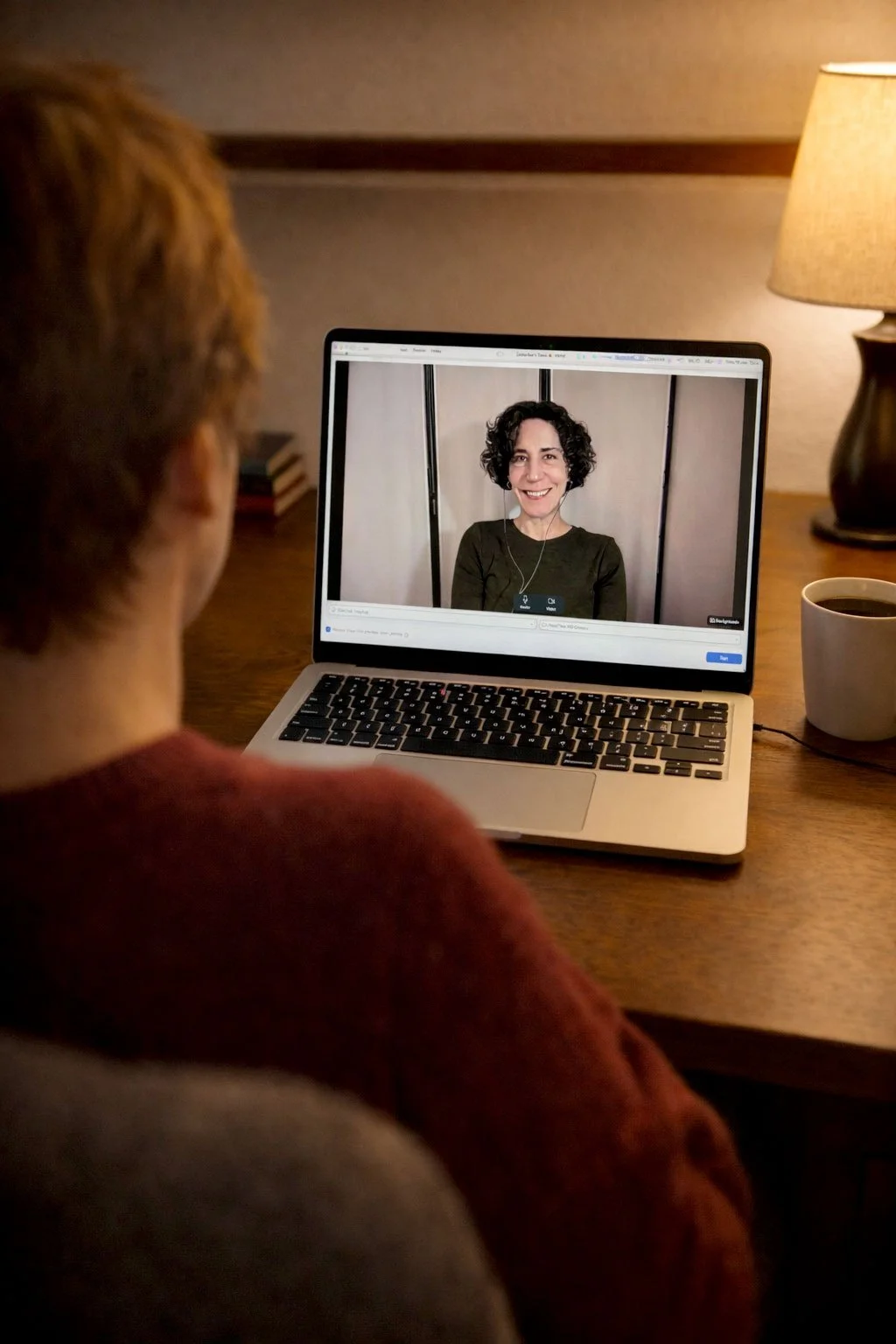
What mentoring can help you with
Mentoring is useful if you want clear, practical input on things like:
Writing or rewriting your professional bio so it actually sounds like you
Choosing where to list yourself and what’s worth paying for
Deciding whether to rent a room, work online, or combine both
Setting fees and sticking to them without constant anxiety
Choosing profile photos that feel professional and engaging
Understanding how clients actually find therapists online
Creating a simple website or deciding if you even need one
Making sense of advertising and directories without feeling overwhelmed
Thinking through boundaries, availability, and workload in a realistic way
These are areas many therapists are left to muddle through alone. Mentoring gives you a space to talk them through with someone who has done it and can be direct and honest.

The confidence side of things
Alongside the practical work, mentoring also helps with:
Imposter syndrome and constant self-questioning
Comparing yourself to other therapists online
Feeling unsure whether you’re “doing it right”
The drop in confidence that often happens after qualification
Finding your own way of working rather than copying others
You don’t need to be falling apart to benefit. Many people come because they want reassurance, clarity and a steadier sense of themselves as therapists.

How this is different from supervision
This is not clinical supervision.
I don’t hold responsibility for your cases
We don’t work at the level of risk management or clinical decision-making
The focus is on practice building, confidence and professional development
Mentoring works alongside supervision, offering a separate space to think about the practical and emotional realities of the job.

My background
I’m a psychodynamic psychotherapist based in South London, working with couples and individuals in short and long-term therapy. I’ve been in continuous private practice for over 12 years.
Alongside my clinical work, I run a small therapy practice, rent out therapy rooms, and have built projects aimed at supporting therapists in private practice. I’m very familiar with the questions that come up when you’re trying to get established and make this work sustainably.
How mentoring works
I work responsively, starting from what you bring, rather than imposing a rigid structure. Alongside this flexibility, I offer clear thinking, frameworks, and materials to help you reflect more deeply and move forward with intention. The balance is between space to explore and enough structure to make the work feel contained and useful.
If you’d like, I can also rewrite this to sound slightly more formal or more personal, depending on the rest of the site.
-
Mentoring is offered on a one to one basis, giving you space to think carefully about your work and yourself as a therapist. Sessions are confidential, thoughtful, and focused on what matters most in your practice right now. This is not supervision, but a place to reflect, untangle dilemmas, and regain clarity and confidence.
-
Some therapists come for a small number of sessions to work through a specific issue, others choose ongoing mentoring as a steady support alongside their clinical work. We can agree a short-term focus or keep things open and review as we go. There is no pressure to commit beyond what feels useful.
-
Sessions are available online or in person. Online mentoring works well if you’re based outside London or prefer the flexibility of working from home. In-person sessions are available for those who value meeting face to face. We can discuss what suits your circumstances best.
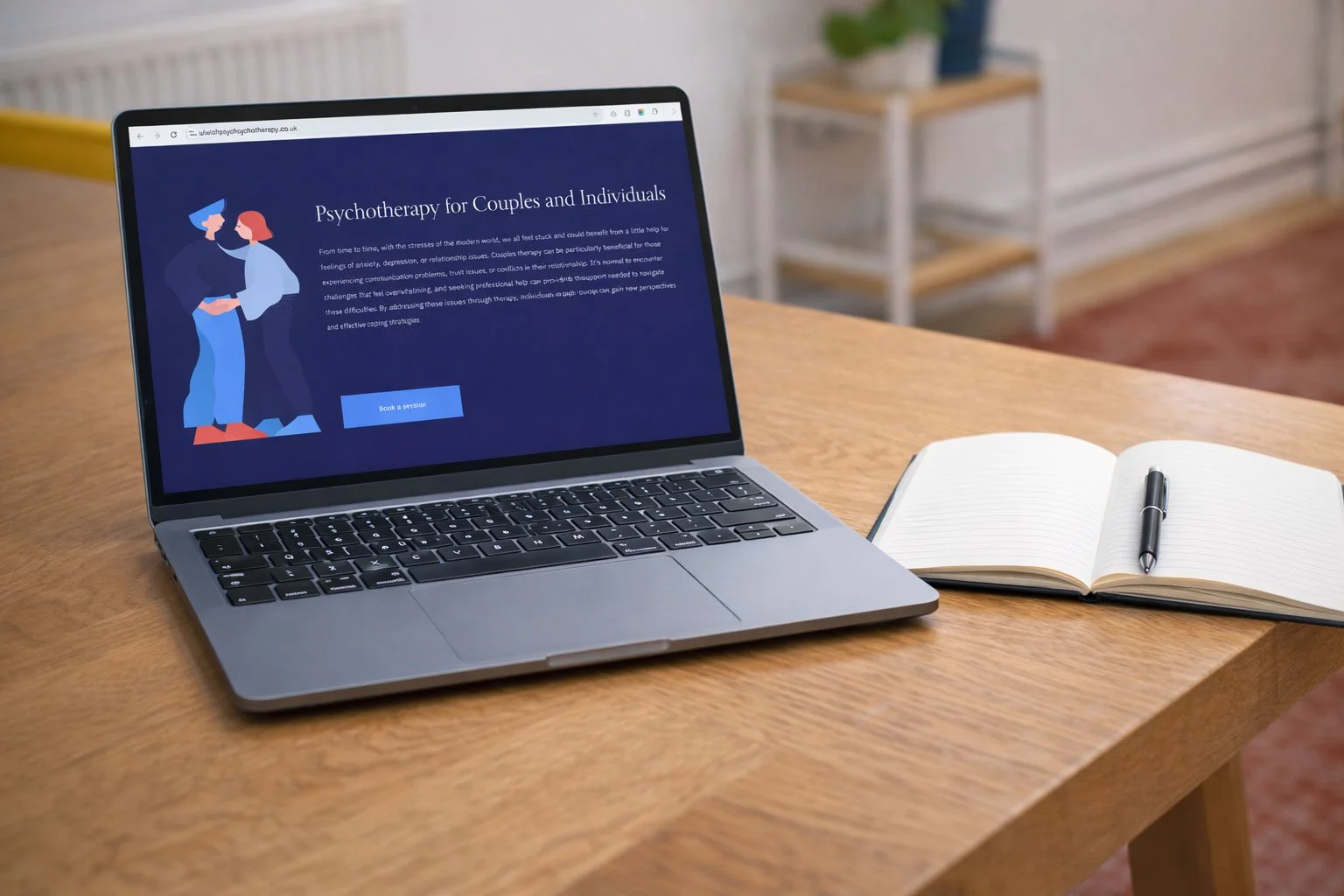
Support and guidance for therapists finding their way in private practice
Your Questions, Answered-
Over the past 12 years, alongside my clinical work, I’ve informally supported many therapists as they established themselves in private practice. This has included practical guidance on where to practise, how to set fees, how to present themselves professionally, and how to think about visibility and referrals. This mentoring work builds on that experience, offering a more intentional and structured space for the same kind of support.
-
No. Mentoring is different from formal clinical supervision. It’s a reflective, supportive space to think about your work, your development as a therapist, and the realities of practice. If you’re looking for clinical supervision to meet training or accreditation requirements, this would not replace that.
-
Mentoring is suitable for qualified therapists and trainees who want space to think, reflect, and get unstuck. People come with a wide range of questions, from clinical confidence and boundaries to private practice and professional identity.
-
No. You can book a single session, a short-term package, or choose ongoing work. We can review the arrangement at any point and adjust as needed.
-
You can bring whatever feels most pressing. This might include clinical dilemmas, feelings of uncertainty or self-doubt, questions about direction, or challenges in private practice. The work is shaped around what you bring.
-
Yes. While sessions are responsive to your needs, I also offer structure, frameworks, and written materials where helpful. These are used to support reflection and give you something concrete to take away.
-
Both options are available. Online sessions work well for flexibility and distance, while in-person sessions are available if you prefer meeting face to face.
-
You can get in touch to arrange an initial session or to ask any questions before booking. We can then decide together what format feels most useful.